


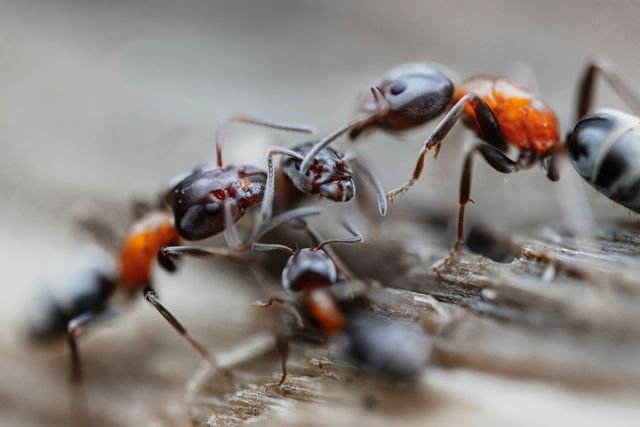

Every summer the same old story. Ants appear in the kitchen, you give them a blast of spray and they disappear for a few days, only to reappear again. You spray again with a different product, but the result is the same. At some point, it stops being a pest problem and starts feeling like you’re locked in a never-ending battle with the critters.
The reason it’s not working is not that the product is bad; it’s because it’s biology. And until you understand the biology of these little critters, no spray on the shelf is going to be able to keep them gone for more than two weeks. That’s why professional pest control frankston services take a fundamentally different approach.
The Colony Biology That Makes DIY Treatment Such a Frustrating Failure
When it comes to ants, the whole colony acts like a single organism. The worker ants you see scurrying around are just expendable. The queen is churning out replacements at a rate that makes killing them utterly pointless. You kill off the ones at the surface, the colony just shrugs it off and sends out more workers. And if you keep killing them, the colony just gets used to it and adapts.
Repellent sprays might keep the workers away from the areas you spray, but that’s about it. They just find a new way in. The colony doesn’t die, it just relocates. So the treatment has achieved nothing except moving the infestation from the kitchen to the laundry.
Non-repellent transfer products work in a completely different way. Workers pick up the chemical and carry it back to the rest of the colony through normal behaviour like grooming and sharing food. It’s like the ant becomes its own delivery mechanism. No wonder professional treatments, done right on the right species, can actually get results that last.
Getting The Species Right Before You Even Think About Treating
Not every ant species responds the same way to the same product. Different species, different behaviour, different nests and, you guessed it, different responses to different chemicals. Argentine ants are like super colonies; they’ve got multiple queens working together, and if you use a product meant to kill a single-queen colony, it’s not going to get very far. The Australian government has even put out a framework to deal with invasive ants, because different species bring different control challenges.
First things first: you need to know what species you’re dealing with. Without that, it’s all just guesswork.
Where The Colony Is Really Hiding on Your Property?
That trail of ants in the kitchen? That’s just a tiny little hint of what’s really going on. The nest is usually hiding in someplace you don’t even think to look:
- Underneath the house in the subfloor voids, wall cavities, or beneath all that lovely concrete.
- Under paving, in garden walls and around garden beds that are close to the building
- Rotting logs, compost piles and tree stumps near the house.
- Up in the roof voids, particularly on older houses with all that lovely insulation to play with.
- And for each one of these spots, you need to use a different trick to get rid of the ants.
Why Frankston Properties Are Particularly Susceptible?
The weather on the Mornington Peninsula is problematic for quick-fix solutions. Warm, moist summers promote growth of the colony and foraging. Relatively mild winters compared to other parts of Victoria mean colonies are not restricted by cold weather. Old buildings in Frankston, with subfloor access, original eaves, and garden beds right next to the structure provide constant year-round opportunities for nest building.
What is Involved in Professional Ant Treatment Not Available at Home?
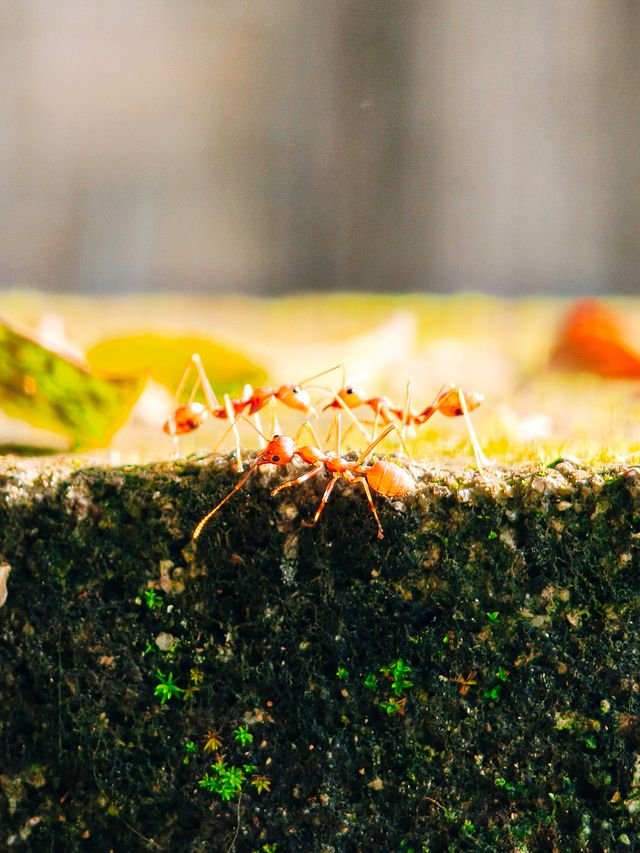
Professional ant treatment involves the whole property. An outside perimeter inspection and identification of active entry points, subfloor and roof void treatments for those areas that have nests in them, internal treatment for any active trails, appropriate baiting where there is no chance to treat the nest directly, and a return visit because established colonies typically require more than one treatment.
Prevention is what makes all the difference between one bad season and never having to worry about ant invasion. Once the nest is killed off, the perimeter maintenance and repair of the structural problems that lead to infestation in the first place become the keys to keeping Frankston homes free from ants.