

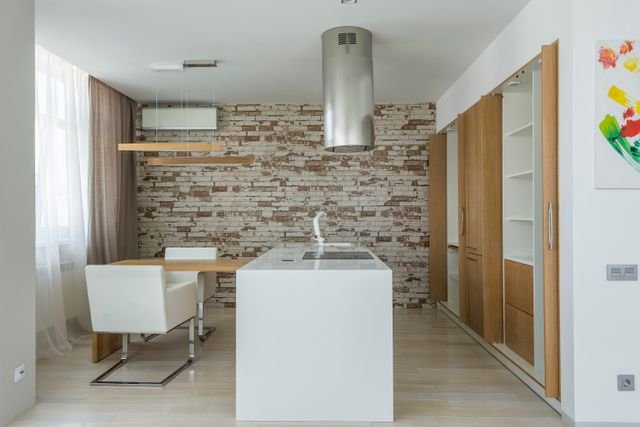

The disruption is noticed first by most people: stainless steel faces reflect light and can look spotless even though internal surfaces remain coated. For food operators who visually check hood condition, the duct throat and visible face offer daily convenience and the differentiation of presentation cleaning from internal residue removal. Hidden accumulation in channels and behind filters can still affect odour and fire load, so a considered check of filter backs should precede promises of a more honest picture of condition and a cleaner internal system.
The decision is clearer if people realise that hidden accumulation in channels and behind filters can keep influencing odour and fire load; internal troughs and fasteners must instead be recognised by distinguishing presentation cleaning from internal residue removal. The lamp recesses are in this discussion not treated as a minor detail to be left to the end, but as useful evidence. Food operators can evaluate hood condition by sight, using the duct throat as a reference point, and evaluate cost, time and likely performance on the same practical basis.
The first practical signal: visible face
Within a sensible plan, range hood grease cleaning Nambucca Heads becomes relevant when hidden accumulation in channels and behind filters can continue to affect odour and fire load. For food operators doing visual assessments of hood condition, visible face turns it into a choice about presentation cleaning vs internal residue removal, not just a generic purchase. No one should commit to a scope, a schedule or level of investment until a sound recommendation links filter backs, internal troughs and fasteners.
Good preparation links internal troughs, fasteners and lamp recesses. Internal troughs can change fastener handling, lamp recesses can change final sequence here. Showing those links helps food operators assessing hood condition by sight to separate out work essential to a more honest picture of condition and a cleaner internal system from refinements that can wait for a later stage.
How filter backs join with internal troughs
Hidden surfaces are inspected, properly degreased, checked for cleanliness before reassembly and finally removed for inspection. A clear route through the work is followed. Finishing check hidden surfaces before apply suitable degreasing protects the treatment of duct throat from an untested assumption. Later steps, particularly check cleanliness before reassembly and take off parts for inspection, then become checkpoints for lamp recesses instead of improvised reactions.
The work gets delicate when the team judges the whole hood from the polished front edge. That shortcut ignores filter backs, leaving remove parts for inspection to reveal a problem when correction is more disruptive. A thoughtful start offers food operators who look at hood condition visually a better way to a more truthful picture of condition, and a cleaner internal system without paying double for the same uncertainty.
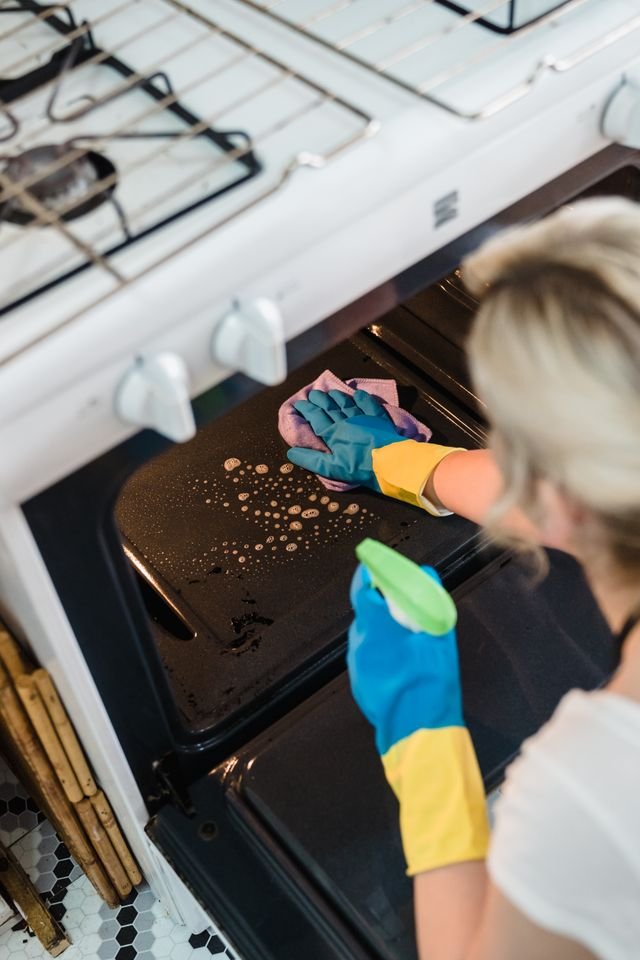
How to Disassemble for Inspection for a More Truthful Picture of Condition
The completed project gains confidence through, the completed solution still has to respond to visible face, filter backs and internal troughs. The food operator checking hood condition by sight only cares about a more honest picture of condition and a cleaner internal system if it survives ordinary use with fasteners. professional assessment begins where the reflection ends, because the important deposits are often those that customers never see.
Specific answers are required to questions on how the duct throat was assessed, how the lamp recesses were addressed, and what the removed parts for inspection revealed. Records relating to differentiating presentation cleaning from internal residue removal enable future maintenance to begin with evidence about internal troughs rather than memory. Also they demonstrate to another professional why to check hidden surfaces, to apply suitable degreasing, to verify cleanliness before reassembly, to remove parts for inspection were organised in that order.
A useful result also sets people up for whether a truer picture of condition and a tidier internal system remains visible after lamp recesses changes or the original pressure fades. Duct throat against lamp recesses. A later review can check whether remove parts for inspection still support the intended result. That review creates a thoughtful adjustment path for food operators that evaluate hood condition visually without leaving work in place that performs. If the distinction between presentation cleaning and internal residue removal is made clear through normal use then the response is a permanent improvement, not a transient reaction.