




Remedial massage may not be the first thing that comes to mind when you think of healthcare, but it’s a powerful treatment option worth considering. Whether you’re dealing with chronic pain, recovering from an injury, or simply seeking relaxation after a hectic week, this specialized form of massage can work wonders for your body and mind. It targets specific areas of tension and dysfunction, helping to restore balance and promote healing. Curious about how this therapy might benefit you? Let’s dive deeper into the world of remedial massage and discover its many advantages.
Benefits of Remedial Massage Therapy
Benefits of remedial massage by Backin Motion offers a range that can enhance your overall well-being. One of the most significant advantages is pain relief. Whether it’s chronic back pain or sports injuries, targeted techniques help alleviate discomfort.
In addition to easing physical pain, remedial massage promotes relaxation and reduces stress levels. The gentle manipulation of muscles encourages the release of tension stored in the body.
Improved circulation is another key benefit. As blood flow increases, oxygen-rich nutrients are delivered more effectively to tissues, aiding recovery and vitality.
Moreover, this type of massage can enhance flexibility and mobility by breaking down scar tissue and improving joint function. This makes it an excellent choice for athletes looking to maintain peak performance or anyone wishing to improve their daily movements.
Remedial massage assists in promoting better sleep quality through its calming effects on both mind and body.
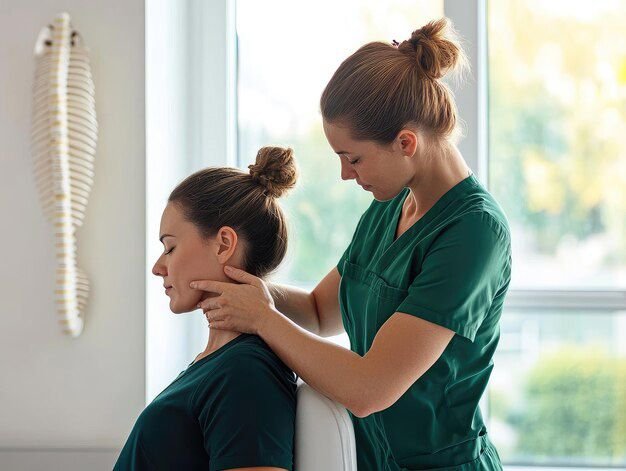
How Does Remedial Massage Work?
Remedial massage works by targeting specific areas of tension and pain in the body. Unlike relaxation massage, its purpose is therapeutic.
The therapist uses various techniques to identify and manipulate soft tissues. These can include deep tissue work, trigger point therapy, and stretching. By applying pressure on tight muscles or fascia, blood flow increases, which promotes healing.
As the therapist assesses your needs, they may focus on particular injuries or chronic conditions. Each session is tailored to address individual concerns.
This hands-on approach not only alleviates discomfort but also enhances mobility. Clients often report feeling less restricted after treatment.
Moreover, remedial massage stimulates the nervous system. This helps in reducing stress levels while encouraging a sense of well-being throughout the body.
What to Expect During a Remedial Massage Session
When you arrive for your remedial massage session, the therapist will typically start with a brief consultation. This chat helps them understand your specific needs and any areas of concern.
Once you’re settled on the massage table, you’ll be asked to undress to your comfort level. Most people choose to keep their underwear on, while others prefer more coverage with towels provided by the clinic.
The therapist will use various techniques tailored to address muscle tension or injury. You might feel some discomfort as they work through tight spots, but it should never be painful.
Throughout the session, communication is vital. If something feels off or if you need an adjustment in pressure, don’t hesitate to speak up.
Afterward, expect some recommendations for post-treatment care or exercises that can enhance recovery and maintain progress between sessions.
Finding a Qualified and Experienced Remedial Massage Therapist
Finding the right remedial massage therapist is crucial for getting the most out of your treatment. Start by researching local practitioners who specialize in this type of therapy. Look for reviews and testimonials from previous clients to gauge their effectiveness.
Consider checking if they have relevant certifications or qualifications. A qualified therapist should have completed accredited training programs and hold licenses where applicable. This ensures that you’re receiving care from someone knowledgeable about anatomy, physiology, and various massage techniques.
Don’t hesitate to reach out with questions before booking an appointment. Ask about their experience treating specific conditions that you might be dealing with, such as sports injuries or chronic pain issues.
It’s also important to feel comfortable with your therapist on a personal level. A good therapeutic relationship can enhance your healing journey significantly.
Trust your instincts when it comes time to choose a practitioner. Your comfort and confidence in their skills will play a significant role in how effective the treatments are for you. Take the time to find someone who meets all these criteria, and you’ll likely see positive results from your remedial massage sessions.