


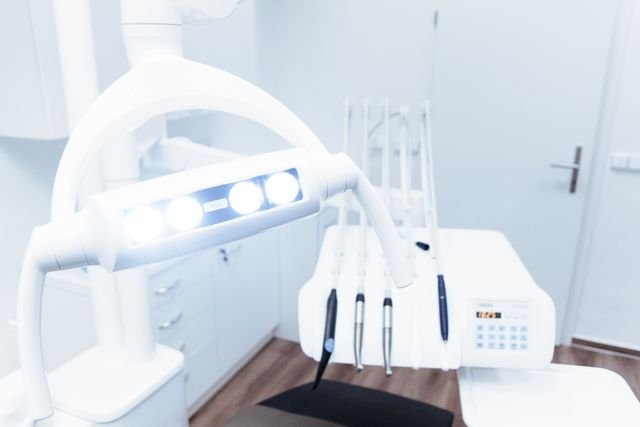

A toothache that begins Thursday will inevitably become intolerable by Saturday; this is an experience most of us have had while waiting for the weekend to be over and the dental surgery to re-open again. And this problem could have been avoided most of the time. The pain that catches you off guard will normally have been developing for many months, painlessly and silently, until a regular dental check-up could have picked it up.
The Avoidance Pattern and What It Actually Costs
There is nothing uniquely local about this kind of behaviour. According to the Australian Institute of Health and Welfare, roughly 25% of Australians delayed or even did not undergo dental treatment when it was needed; of these 16% said that cost was their rationale. However, what these numbers do not reflect is the way the delay compounds the problem. While it is relatively inexpensive to get a cavity filled as part of a regular dental check-up, if the decay is allowed to reach the pulp, a root canal becomes necessary, involving multiple treatments and substantially increased out-of-pocket expenses. The logic of avoidance always goes against the person choosing to delay.
Flexible payment plans, insurance, and pay-later schemes have made a real difference to the accessibility of dental treatment for families in regional centres such as the lower Hunter. Patients at the Mayfield dental clinic can access these arrangements readily, yet there are many patients who could use these options and are unaware of them.
What a Check-Up Is Actually Looking For?
However, a regular dental check-up involves more than cleaning the visible tooth surfaces. The examination of the soft tissues in the same check-up evaluates the presence of periodontal disease in the gum line, changes in the texture of the cheeks and tongue, and the presence of grinding or misalignment in the jaw and bite. All the conditions leading to major dental issues in future life become detectable and treatable at an earlier stage; they are simply not detectable without a clinical examination.
The cleaning process gets rid of deposits of calculus below the gum line and cannot be achieved by brushing and flossing. The cleaning process lowers the bacterial load that leads to gum disease. Not having a check-up means missing the one opportunity when what is not seen or felt can be discovered.
Why Children’s First Appointments Shape What Comes After?
From the data from the National Child Oral Health Study from 2012 to 2014, it is seen that 87% of children visited the dentist for the first time on a check-up, not for any issue. Regularly attending children will be associated with the idea that dental check-ups are normal but not painful; research finds a link to better oral health involvement, however there are individual differences here.
Children who had their teeth extracted in an emergency visit will have a different background that affects their attitude to dental treatment in adult life. The structure of the first visit for a small child in a family-friendly dental practice is specially designed to be short, calm, and minimally invasive. What happens in the clinic at three or four years old can influence more than parents think.
According to the Australian Government Department of Health, the Child Dental Benefits Schedule supports eligible families in accessing basic dental services for children aged 2 to 17.
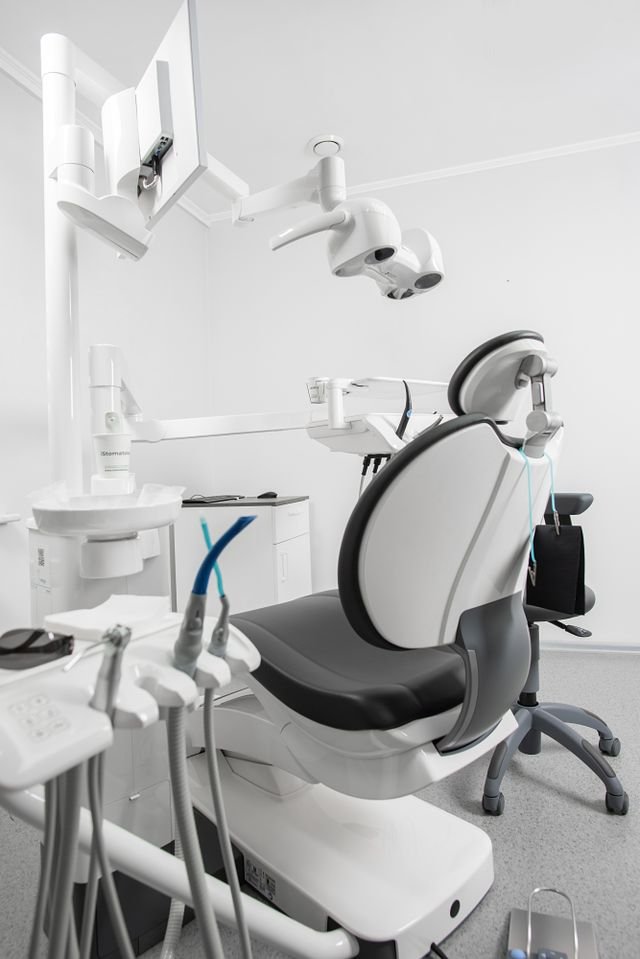
What Sleep Dentistry Is and Who It Helps?
Sleep dentistry is the administration of sedation during the process of dental treatment. The range of sedation in this case goes from mild sedation of the patient to keep him or her calm without inducing unconsciousness to deeper sedation in cases of complicated dental procedures and long-lasting treatments.
It is often confused with general anaesthesia, which is a different clinical procedure. Patients who benefit from sleep dentistry include people with dental anxiety, with troubles of getting sufficient effects of the local anaesthetic, and those whose treatment is too complicated to finish in one visit.