


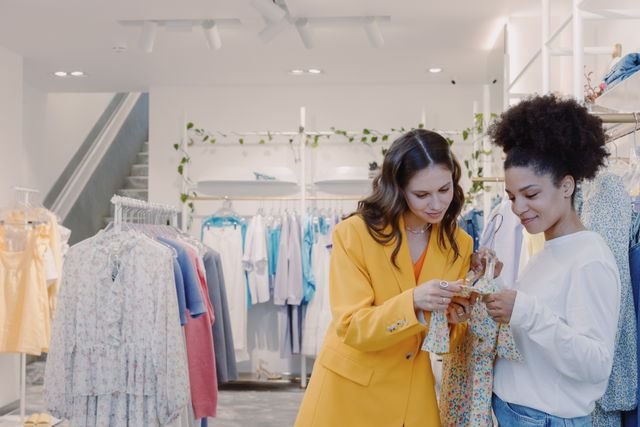

Retail spaces have to do a lot of work very quickly. A customer walks in, scans the room and starts forming an opinion almost immediately. Before they’ve spoken to a staff member or picked up a product, the layout, lighting, signage and displays have already told them something about the brand. That’s why custom retail displays can have such a strong influence on the way a store feels. They don’t simply hold products; they help guide attention, establish hierarchy and create a more deliberate relationship between the brand and the customer moving through the space.
Good Displays Make Shopping Easier
The most effective retail displays often feel obvious in hindsight. Products are grouped logically, key items are easy to find and customers can understand what matters without having to decode the entire store. When displays are poorly planned, the opposite happens. Shelves feel cluttered, promotional material competes for attention and shoppers can struggle to work out where to look first. A strong display simplifies the decision-making process, whether that means highlighting a hero product, creating a clear comparison between options or grouping complementary items together in a way that makes sense. The goal isn’t to force the customer down a rigid path; it’s to remove unnecessary friction.
Brand Identity Should Be Visible in the Physical Space
A brand can look polished online and still feel generic in person if the physical environment doesn’t reflect the same identity. Custom display elements can help bridge that gap, with materials, colours, typography and form all reinforcing the broader brand language, whether the business is aiming for premium, playful, industrial, minimal or handmade.
That consistency matters because people often encounter brands across several channels. They might first see the business on Instagram, then visit the website and later walk into a physical store. If each experience feels completely different, the brand can lose some of its coherence. The retail environment doesn’t need to copy the website literally, but it should feel like it belongs to the same business.
The Display Should Suit the Product
Different products need different forms of presentation. Small cosmetics might benefit from compact, highly organised displays that make shades and variations easy to compare, while large homewares may need more open presentation so customers can understand scale. Fashion accessories could benefit from elevation and spacing that gives individual pieces room to stand out.
That’s where customisation becomes useful. A generic shelving unit can work perfectly well in some situations, but it may not show a particular product in the best possible way. Good display design starts by asking what the customer needs to understand. Is the product technical? Tactile? Aspirational? Does it need demonstration, comparison or easy access? The display should support that experience rather than competing with it.
Less Can Often Feel More Premium
One of the easiest ways to make a retail display feel cheaper is to overload it. When every available surface is packed with stock, signage and promotional messages, individual products lose impact. Customers may still see plenty of inventory, but they don’t necessarily know what deserves their attention.
Leaving space around key products can make them feel more considered, especially for brands that want to create a premium or design-led impression. That doesn’t mean sparse displays are always better. High-volume retail has different priorities from a boutique environment. The point is that the density of the display should match the type of experience the brand wants to create.
Flexibility Matters Because Retail Changes Constantly
Retail spaces are rarely static. Seasonal ranges arrive, promotions change, new products launch and older stock needs to be moved. A display that works brilliantly for one campaign can become a problem if it can’t adapt afterwards.
Modular or reconfigurable elements can make a huge difference. Shelves that move, interchangeable signage areas and display units that can be repurposed give retailers more control without requiring a complete rebuild every few months. This is particularly useful for smaller stores where every square metre needs to work hard. Good custom design should therefore think beyond the launch day and consider how the fixture will function over time.
Displays Can Help Create Natural Movement
The layout of displays influences how people move through a store. A badly positioned fixture can create a bottleneck or block important sightlines, while a well-placed one can draw customers deeper into the space, introduce a new product category or slow movement slightly in an area worth exploring.
Height matters too. Tall displays can create zones and visual impact, but they can also make smaller spaces feel crowded if used carelessly. Lower fixtures preserve openness and allow customers to see across the room. Understanding these relationships is part of what makes retail design more than decoration. The display is shaping behaviour whether the customer realises it or not.
Durability Should Match the Environment
Retail fixtures get handled more than people think. Customers lean on them, staff move stock, signage gets changed and products are constantly picked up and replaced. A display that looks good in a concept drawing still has to survive everyday use.
Material choice should reflect that reality. Surfaces need to be appropriate for the weight and type of product, finishes should tolerate cleaning and exposed edges should hold up to repeated contact. Temporary promotional displays can be lighter and simpler because they only need to last for a limited campaign, while permanent fixtures justify a different level of durability. Designing to the expected lifespan helps avoid both overengineering and false economy.
The Best Displays Don’t Feel Like Advertising
There’s a difference between drawing attention to a product and shouting at the customer. Overly promotional displays can make a space feel noisy, especially when several campaigns are competing at once. Thoughtful retail displays integrate the marketing message into the environment more naturally.
A product can be highlighted through placement, lighting, colour or scale without needing a giant sign explaining that it is important. That subtlety often creates a more confident impression because the brand feels as though it understands what it wants customers to notice without having to overwhelm them.
Physical Retail Still Has Something Online Shopping Can’t Replicate
Online retail is convenient, but physical stores offer something different: scale, texture, movement and the ability to encounter products in context. Displays play a major role in creating that experience because they help turn stock into something more engaging than a list of items on shelves. A well-presented collection can tell a story, demonstrate how products work together and give customers a reason to linger.
That matters even more now that people can buy almost anything without leaving home. A store needs to offer more than access to the product; it needs to make the visit feel worthwhile. Good display design helps create that sense of experience without needing to overcomplicate the space.
Good Display Design Quietly Shapes the Whole Store
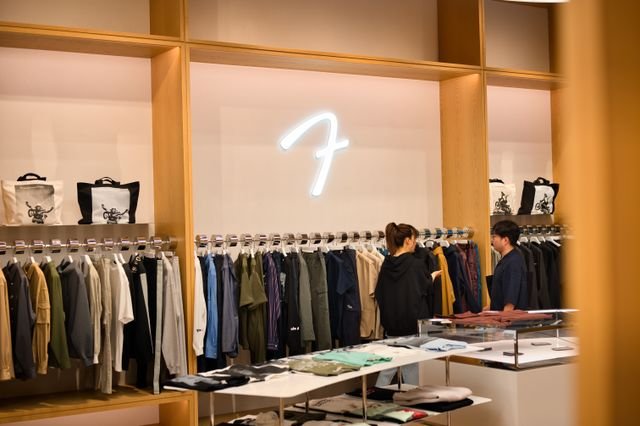
Customers probably won’t walk out saying the shelf spacing was excellent or the display hierarchy was particularly effective. They’ll simply say the store felt good, the products were easy to browse or the brand seemed polished. That’s the real success of thoughtful retail design.
Custom displays work best when they support the product, reflect the brand and make the customer journey easier without demanding attention for themselves. When those pieces come together, the space feels more intentional, the products become easier to understand and the brand leaves a stronger impression. In retail, small design decisions can shape the whole experience, and a display may only occupy one corner of the room, but it can influence how customers see everything around it.