



Contract manufacturing is more than just a buzzword in the business world; it’s a transformative model that’s reshaping industries and communities alike. By outsourcing production to specialized companies, businesses can streamline operations while focusing on what they do best—innovation. But there’s another side to this equation that’s often overlooked: the significant impact contract manufacturing has on job creation.
As companies seek efficiency, they’re also opening doors for countless individuals seeking meaningful employment. From skilled laborers to management positions, contract manufacturing fosters an environment ripe with opportunity. Understanding this dynamic not only sheds light on economic trends but also highlights how such practices contribute positively to local economies and individual lives. Let’s dive into how contract manufacturing plays a pivotal role in shaping employment landscapes around the globe!
Benefits of Contract Manufacturing for Companies
Contract manufacturing offers companies the flexibility they need to adapt swiftly to market changes. contract manufacturing see differently provides businesses with an approach to outsourcing production while allowing them to focus on core competencies like design and marketing.
Cost efficiency is another significant advantage. Companies often reduce overhead costs related to labor, equipment, and facility maintenance. This allows them to allocate resources more effectively.
Quality control can also improve when partnering with specialized manufacturers. These firms usually have expertise in specific processes, ensuring products meet industry standards consistently.
Moreover, contract manufacturing enables quicker time-to-market for new products. Businesses can leverage existing facilities without extensive investment or long lead times.
It encourages innovation as companies collaborate with manufacturers who bring fresh insights and advanced technologies into the production process. This partnership fuels creativity while enhancing product offerings.
Impact on Employment Opportunities
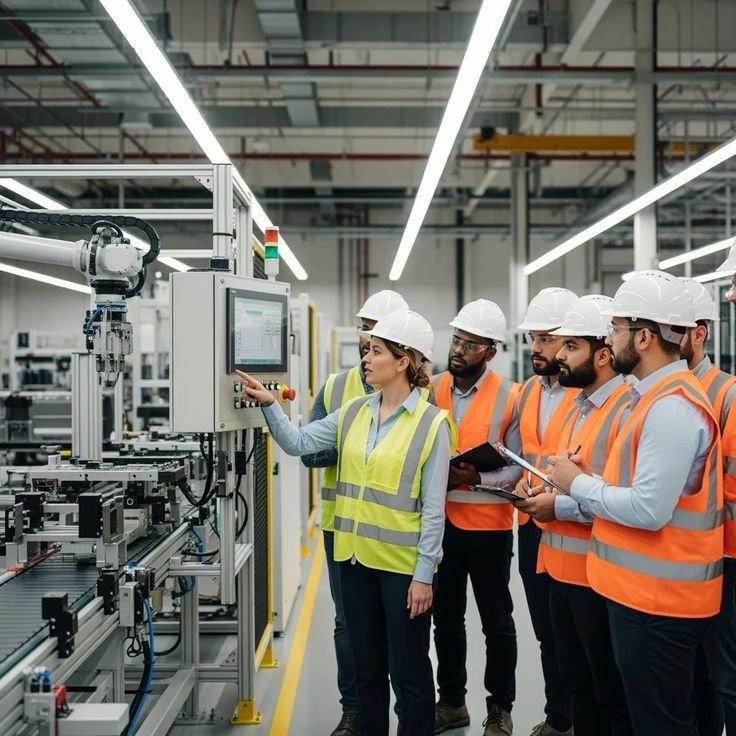
Contract manufacturing significantly influences employment landscapes across various sectors. By outsourcing production, companies can scale operations quickly, creating a surge in job opportunities.
These jobs often cater to diverse skill levels. Entry-level positions are commonly available, attracting individuals seeking their first experience in a dynamic work environment. This accessibility helps lower unemployment rates and fosters economic growth within communities.
Moreover, contract manufacturers frequently require specialized roles that promote workforce development. Skilled technicians and management personnel see increased demand as businesses strive for quality and efficiency.
Additionally, these firms tend to invest in local training programs. Such initiatives not only enhance employee capabilities but also contribute to workforce stability by upskilling existing employees for higher responsibilities.
As the contract manufacturing sector expands, its positive ripple effects on employment become increasingly evident. The creation of meaningful jobs offers hope and opportunity in regions looking to rebuild their economies.
Types of Jobs Created by Contract Manufacturing
Contract manufacturing opens a diverse array of job opportunities in various sectors. Production line roles are foundational, requiring workers to assemble products efficiently while adhering to quality standards.
Quality control specialists play a crucial role as well. They ensure that each product meets industry regulations and customer expectations. Their attention to detail helps maintain trust in the brand.
Engineering positions also emerge within this framework. Engineers focus on optimizing processes and enhancing product designs, contributing innovative solutions that drive efficiency.
Logistics and supply chain professionals manage the flow of materials, ensuring timely delivery from suppliers to manufacturers. Their organizational skills keep operations running smoothly.
Additionally, administrative roles support overall business functions by handling procurement, inventory management, and other essential tasks within contract manufacturing organizations. Each position contributes significantly to the ecosystem surrounding contract manufacturing.
Challenges and Solutions for Creating Meaningful Employment in Contract Manufacturing
The landscape of contract manufacturing is not without its hurdles. While the industry has a significant potential to create jobs, challenges remain that can hinder this growth. One major issue is the perception of job stability. Many workers associate contract positions with uncertainty and fear of layoffs. This concern can deter skilled professionals from entering the sector.
Another challenge lies in providing adequate training. As technology evolves, so do skill requirements. Companies often struggle to keep their workforce updated on new processes and machinery, which can lead to inefficiencies.
Addressing these issues requires a multifaceted approach. Companies need to promote transparency around job security and offer pathways for career advancement within contract roles. Investing in robust training programs can also empower employees and enhance productivity.
Collaboration between manufacturers, educational institutions, and local governments plays a crucial role here as well. By fostering partnerships focused on skills development, stakeholders can create an ecosystem where meaningful employment thrives.
By tackling these challenges head-on, the contract manufacturing industry can fully realize its potential as a source of stable jobs that contribute positively to communities across various regions.