


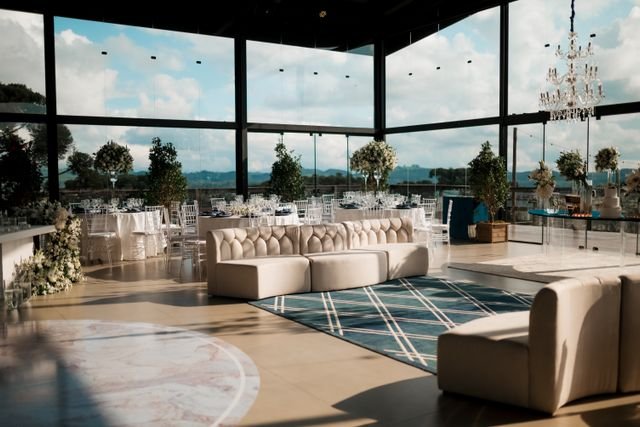

Two events can go down in the same venue, same caterer, and even same florist, but look like total opposites. What’s the difference maker? Usually it’s the furniture. Not some big centrepiece or elaborate installation, just the chairs, tables, glassware and the tablecloths. These are the bits that people interact with from start to finish, and they make up a heck of a lot of the visual and sensory experience of the event, more than most event planners will even bring up in the initial budget discussion.
The Thing Most Event Planners Get Wrong
People spend way more time sitting down than standing up at these things, and the chair they’re sat on, the table in front of them and the tableware within arm’s reach all define their actual physical experience more consistently than any other event element. A floral arrangement gets a few seconds of attention, but then it’s forgotten. The furniture is there in your space the whole time.
On the other hand, using the default furniture that comes with the venue is a sure-fire way to undermine all that careful planning that went into getting the rest of the aesthetic right. Venue furniture is all about being sturdy and flexible, not about creating a particular mood or feel. And that’s just going to show through, whether it’s ghost chairs or cross-back bentwood. Trestle tables look different to round banquet tables. If the furniture just doesn’t fit with your vision, no amount of top layer styling is going to make it right.
The style of chair, the height of the table and the way the seating is arranged all help shape how people interact with each other too. A long trestle table encourages people to talk along the length of it, whereas a round table breaks people down into smaller groups. Cocktail height furniture promotes a more free-flowing atmosphere. And it’s not just a surface, it’s the architecture of the whole social experience.
The Gap Between The Pictures And Reality
When people are browsing through Pinterest for ideas, the pictures get carefully staged with perfectly chosen hire furniture in all sorts of carefully designed lighting conditions. The furniture, tableware and everything else are all chosen to create a very specific vibe. But then when it comes to getting that look down on the actual venue floor, it takes the right hire furniture to get it just right, and not just some half-used venue stuff that will just fill the space but not do the trick.
SOCO Event Hire clients who come to us knowing exactly what they want to achieve can just plug that in and match it with the right hire. But the people who end up relying on the venue to supply all the furniture usually find that the room ends up just feeling functional, i.e. not even particularly thought about. The venue furniture may fill the space but it just can’t replace a hire selection that actually captures the look and feel they’re after.
The gap between what the venue provides and what the actual event vision requires is exactly what our curated hire service is designed to bridge. It’s not about replacing everything with our stuff, it’s more about identifying the key elements where our hire can do the trick where the venue just can’t.
Tableware as Atmosphere: The Detail That Changes the Room
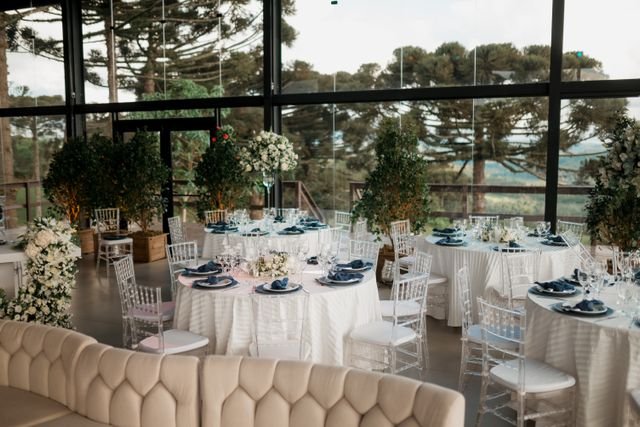
The shape of the glassware and plates and the texture of the linen can communicate the level of formality of an event even before the first word is spoken. Glassware with stems is more formal, whereas stemless glasses are informal. Thick white linen is more formal, while textured or patterned linen is more casual. These cues send a message to guests immediately.
Tableware that is hired and curated ensures that there is consistency of the materials used in the table setting. While venue glassware is chosen for longevity and durability to survive hundreds of washes and odd drops, the hired glassware is chosen based on the consistency and aesthetics of the design. It makes a difference in both visuals and in guest perception.
For corporate events, it is important that the tableware conveys that the organisation takes their event seriously. Any mismatch or institutional tableware would reflect poorly on the organisation regardless of the strength of the content of the event.
The Logistics Most Event Planners Don’t Want to Think About (But Should)
Timing of the delivery, the pack-down schedule, and site-access details have to be considered in advance of booking. Loading docks of the venue open only for certain windows of time, as do the car parks. The gap between the opening of the venue and the event also dictates what can and cannot be done in terms of delivery logistics.
The minimum hire spends and distance charges influence the value for money and feasibility of hiring the elements for small-scale events or events held at venues outside the metropolitan area. Knowing this in advance avoids the budgeting surprise once the deposit has been paid.
It makes sense to coordinate the furniture, tableware, linen and decor with one provider rather than multiple. Having multiple providers means multiple delivery windows, invoices, and areas of potential miscommunication. It is more effective to coordinate the event with one provider through one conversation than trying to work with three different suppliers.