


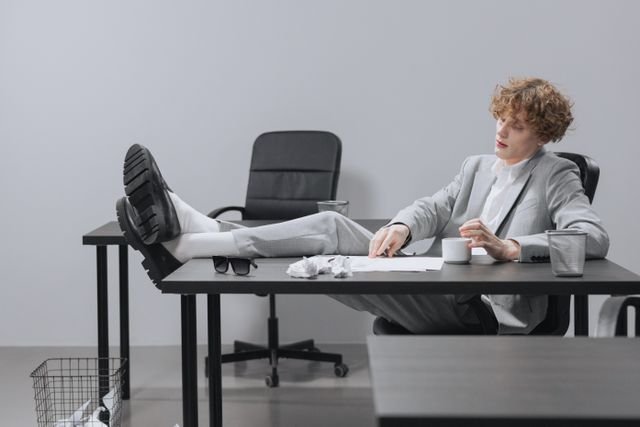

Office chairs don’t usually get much attention until they become uncomfortable. When they’re doing their job properly, you barely notice them. When they’re not, you can spend half the day shifting position, leaning forward, stretching your back or wondering why your shoulders feel tight by mid-afternoon.
That’s why choosing executive chairs is about more than picking something that looks suitably impressive behind a desk. A good chair should support the way you actually work, fit your body reasonably well and help you stay comfortable through long periods of sitting without constantly fighting against the furniture.
Comfort Is More Than Soft Padding
There’s a common assumption that the most comfortable chair will be the one with the thickest cushioning. That can feel great for the first ten minutes, but softness alone doesn’t necessarily translate into good support over an entire working day.
A chair needs to distribute pressure well, support the body in useful places and allow you to sit without feeling pushed into an awkward position. Seat depth matters, as does the relationship between the backrest and the natural curve of your spine.
Too much padding can sometimes feel bulky, while too little can become uncomfortable quickly. The better question is whether the chair stays comfortable after several hours rather than whether it feels luxurious the moment you sit down.
Adjustability Makes a Big Difference
People come in different heights, proportions and working styles, so a chair with only one fixed position is always going to suit some users better than others.
Basic seat height adjustment is important because your feet should be able to rest comfortably on the floor or on a suitable footrest. Armrests can also affect posture if they’re positioned too high or too low, particularly when typing for long periods.
Backrest recline, lumbar support and seat tilt can add further flexibility depending on the chair. The point isn’t to create an endless list of controls for the sake of it. It’s to give users enough adjustment to find a position that feels natural rather than forcing everyone into the same setup.
Your Desk Setup Matters Too
Even an excellent chair can’t compensate for a badly arranged workstation.
If the desk is too high, you may end up raising your shoulders while typing. If the monitor is too low, you might spend the day looking down. If the keyboard is too far away, you may gradually lean forward no matter how supportive the chair is.
The chair should therefore be considered as part of the entire workstation rather than as an isolated purchase. Seat height, desk height, screen position and keyboard placement all interact.
Sometimes a chair feels uncomfortable not because there’s anything fundamentally wrong with it, but because the rest of the setup is forcing the user out of a good sitting position.
Executive Doesn’t Have to Mean Oversized
Traditional executive chairs have often been associated with large padded backs, thick armrests and a commanding visual presence. That style still appeals to some people, but modern offices don’t necessarily require enormous chairs to create a professional look.
A more streamlined executive chair can still feel substantial while fitting into a smaller workspace. This can be especially useful in home offices or contemporary commercial interiors where bulky furniture may overwhelm the room.
Proportion matters. A chair should fit the person using it, but it should also fit the physical space around the desk. Something that looks perfect in a large showroom can feel very different once it’s squeezed into a compact office.
Materials Affect Both Appearance and Maintenance
Leather and leather-look finishes remain popular for executive seating because they can create a polished appearance and are relatively easy to wipe clean. Fabric and mesh options, however, may provide different advantages depending on climate, comfort preferences and how heavily the chair will be used.
Mesh backs can offer airflow, which some people appreciate in warmer environments. Upholstered chairs may feel softer and provide more variation in colour and texture. Leather can create a more traditional executive look, although the quality and durability of the material can vary significantly.
There’s no universal winner. The right material depends on how the chair will be used, how much maintenance is realistic and the overall style of the room.
Sitting Still All Day Is Still Sitting Still
A supportive chair is useful, but it doesn’t turn prolonged sitting into something your body suddenly loves.
Even with good furniture, it’s sensible to change position regularly. Standing up for a conversation, walking to refill a drink or simply moving around between tasks can help break up long periods at the desk.
This is also why a chair that allows some movement can feel more comfortable than one that holds you rigidly in a single position. Reclining slightly during a phone call or changing the backrest angle throughout the day gives the body more variety.
The goal of a good office chair isn’t to lock you into “perfect posture” for eight hours. It’s to provide useful support while allowing you to move naturally.
Think About Who Will Actually Use It
In a private office, selecting a chair can be relatively straightforward because it only needs to suit one person. Shared meeting rooms, hot-desking environments and reception areas are more complicated.
A chair used by multiple people needs enough adjustability to accommodate different body sizes without requiring a lengthy setup every time someone sits down. Controls should be easy to understand, and the chair should cope with frequent use.
For executive offices, there may also be a visual consideration. The chair often forms part of the overall impression of the room, particularly in client-facing environments. It still needs to be functional, though. An impressive-looking chair that becomes uncomfortable after an hour isn’t much of an executive upgrade.
Build Quality Matters Over Time
Office chairs are subjected to far more movement than many other pieces of furniture. They roll, swivel, recline, support changing loads and get adjusted repeatedly.
That means small differences in build quality can become noticeable after months or years of use. Loose armrests, noisy mechanisms, worn castors or sagging upholstery can quickly make a once-good chair feel tired.
When comparing options, it’s worth looking beyond surface appearance and considering the components underneath. The base, gas lift, adjustment mechanisms and upholstery all contribute to how the chair performs over time.
A cheaper chair replaced frequently may not represent better value than a more durable one that stays comfortable for years.

The Best Chair Is the One That Fits Your Working Day
There isn’t one office chair that will suit absolutely everyone. Someone who sits for eight hours a day has different needs from somebody who moves constantly between meetings. A tall user may need different dimensions from a shorter one, and a home office may demand a different style from a corporate boardroom.
The important thing is to choose around real use rather than appearance alone. Look for appropriate support, practical adjustability and dimensions that suit both the user and the workspace.
A chair may seem like a relatively small part of an office, but it’s one of the pieces of furniture you interact with most. Get it right and you probably won’t think much about it at all. Get it wrong and it can become the most noticeable thing in the room by three o’clock every afternoon.