


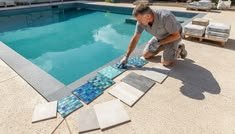

Choosing the right tiles for the waterline of your pool can make a significant difference to its appearance, durability, and long-term maintenance. Waterline tiles create a decorative border around the pool while helping protect the surface from stains, mineral deposits, and everyday exposure to pool water. With a wide range of colours, materials, sizes, and finishes available, selecting the right option requires careful consideration of both style and practical performance. By understanding the key factors involved, homeowners can create a pool area that looks attractive and remains easier to maintain over time.
Understand the Importance of Waterline Pool Tiles
Waterline pool tiles serve both a functional and decorative purpose in a swimming pool. The waterline is where oils, sunscreen, dust, and mineral deposits can accumulate as water levels rise and fall, sometimes leaving visible marks on the pool’s interior surface. Installing suitable waterline pool tiles in this area can make routine cleaning easier and help maintain a neat, well-finished appearance. Unlike some pool finishes that may absorb stains or become discoloured, properly selected tiles provide a durable surface that is generally easier to wipe clean. Their resistance to regular exposure to water and pool chemicals also makes them a practical choice for many swimming pool designs.
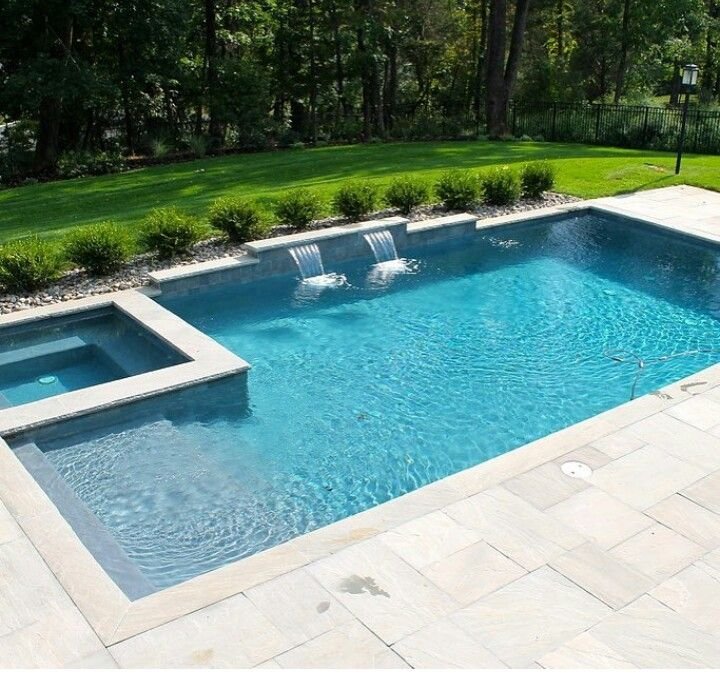
Beyond their protective qualities, waterline tiles help establish the overall visual character of a pool. A carefully chosen border can complement the surrounding paving, outdoor furniture, landscaping, and architectural features of the property. Homeowners who prefer a modern appearance may choose simple, understated tiles, while patterned or textured designs can create a more distinctive focal point. The colour and finish of the tiles can also influence how the pool water appears under different lighting conditions. Considering both the practical purpose and visual impact of waterline tiles helps ensure that the final design feels balanced and cohesive.
Choose the Right Tile Material for Your Pool
Tile material is one of the most important factors to consider when planning a pool waterline. Ceramic and porcelain tiles are popular options because they are available in many colours, patterns, and sizes. Porcelain tiles are generally dense and have low water absorption, making them a suitable choice for many swimming pool environments when specifically manufactured and rated for pool use. Ceramic tiles can also work well when the selected product is designed for submerged or frequently wet conditions. Before making a purchase, check the manufacturer’s technical specifications to confirm that the tiles are suitable for the intended application and compatible with the pool’s construction.
Glass tiles are another attractive option for homeowners seeking a vibrant, reflective finish. Their ability to interact with natural sunlight can create a shimmering effect that enhances the appearance of the water, particularly in contemporary pool designs. Natural stone may offer an earthy, organic look, but it requires greater care because some stones can absorb moisture, react to pool chemicals, or develop stains if they are not properly selected and maintained. Not every decorative tile is suitable for a pool waterline, so appearance alone should never determine the final choice. Selecting a material designed to withstand pool conditions can help reduce the likelihood of premature deterioration, discolouration, or costly replacement.
Select Colours and Designs That Complement Your Pool
The colour of your waterline tiles can influence the overall atmosphere of your outdoor space. Blue and aqua shades are classic choices because they complement the water and create a fresh, inviting appearance. White, pale grey, and neutral tones can provide a clean, contemporary finish that works well with minimalist landscaping and modern outdoor architecture. Darker colours, including navy, charcoal, and deep green, can create a bold contrast against lighter paving and surrounding surfaces. However, the final appearance may vary depending on sunlight, water depth, reflections, and the colour of the pool interior, so it is worth reviewing samples in the actual outdoor setting before committing to a design.
Patterns and tile sizes also affect the visual result. Small-format mosaics can introduce intricate detail and follow curved pool edges more easily, while larger tiles may create a simpler, more streamlined border when the pool design allows their use. Geometric patterns can suit contemporary spaces, whereas natural textures and subtle variations in colour may complement gardens with stone paving and lush planting. It is helpful to consider how the waterline tiles will coordinate with coping, paving, retaining walls, and other nearby finishes. Choosing a design that works with the entire pool area rather than as an isolated feature can create a more consistent and professionally finished outdoor environment.
Prioritise Durability, Safety and Installation Quality
Waterline tiles need to withstand repeated exposure to water, sunlight, temperature changes, and swimming pool chemicals. For this reason, homeowners should confirm that their chosen tiles are specifically suitable for swimming pools and the conditions in which they will be installed. The tiles, grout, adhesive, and any waterproofing system must work together as part of a compatible installation. Products intended only for indoor walls or decorative dry areas may not provide the performance required around a pool. Checking product guidance and seeking advice from an experienced pool tiling professional can help prevent avoidable problems.
Installation quality is equally important because even high-quality tiles can fail when the underlying preparation or fixing method is unsuitable. The pool surface must be properly prepared, and the installer should use appropriate materials designed for pool environments. Correct grout selection, expansion detailing where required, and careful attention to the pool’s existing waterproofing system can help reduce the risk of cracking, loose tiles, and water ingress. Although waterline tiles are not usually the primary waterproofing layer, their installation must not compromise the pool structure or its protective system. Working with a qualified professional who understands swimming pool construction can improve the finished appearance and support long-term performance.
Consider Maintenance and Long-Term Value
Maintenance requirements should be part of the decision-making process when choosing waterline pool tiles. Some finishes show water spots, mineral deposits, or residue more clearly than others, while certain textured surfaces may require additional effort to clean. Smooth, pool-rated tiles are often easier to wipe down, although the most appropriate finish depends on the product and installation location. Homeowners should also consider whether the tile colour and pattern will make everyday marks more noticeable. Selecting a practical design can help keep the pool looking attractive without creating an unnecessarily demanding cleaning routine.
Long-term value depends on more than the initial cost of the tiles. A lower-priced product may appear economical at first, but replacing unsuitable tiles or repairing a poorly installed waterline can lead to greater expenses later. Investing in durable materials, compatible installation products, and skilled workmanship can help protect the pool’s appearance over time. Regular cleaning, appropriate water chemistry, and periodic inspection of grout joints can also help identify maintenance needs before they become larger issues. By balancing budget, durability, style, and upkeep, homeowners can choose waterline pool tiles that enhance their swimming pool and contribute to a well-designed outdoor living space.